Refrigerator Repair
Are you having trouble with your refrigerator? Don’t worry, Techniconnect Blog is here to help! Our team specializes in the maintenance and repair of home appliances and gadgets, including refrigerators. Whether it’s a software issue, a hardware problem, or just regular wear and tear, we have comprehensive solutions tailored to your needs. From troubleshooting guides to general maintenance packages, we’ve got you covered. So if your fridge isn’t working as well as it used to, explore our website and find the best refrigerator repair options for you!
Refrigerator Repair
At Techniconnect Blog, we understand the importance of a well-functioning refrigerator in your kitchen. It keeps your food fresh and your drinks cold, ensuring that you and your family stay healthy and comfortable. However, like any other appliance, refrigerators can experience problems from time to time. In this article, we will discuss the most common refrigerator problems, signs that indicate your refrigerator needs repair, and provide some troubleshooting tips. We will also guide you on when to call a professional repair service, how to choose the right repair service, the cost of refrigerator repair, and preventive maintenance tips to extend the lifespan of your refrigerator. Finally, we will address frequently asked questions to provide you with comprehensive knowledge about refrigerator repair.
Common Refrigerator Problems
Refrigerators can face various issues that affect their performance. Here are some of the most common refrigerator problems:
Refrigerator not cooling
One of the most obvious signs of a problem with your refrigerator is when it fails to cool properly. This can lead to spoiled food and a decrease in the overall efficiency of the appliance.
Excessive freezer frost
If you notice a thick layer of frost buildup in your freezer, it may indicate a problem with the defrost system. This can lead to reduced cooling in the refrigerator compartment.
Water leakage
Water pooling inside or around the refrigerator is often a sign of a blocked drain line or a faulty water supply line. It can cause damage to your floors and other nearby appliances.
Strange noises
Unusual noises coming from your refrigerator, such as buzzing, clicking, or rattling, can indicate various issues, including problems with the compressor, fans, or motor.
Ice maker not working
If your refrigerator has an ice maker but it has stopped producing ice, there may be an issue with the water supply, the ice maker itself, or the temperature control system.
Refrigerator not defrosting
A refrigerator that fails to defrost can lead to excessive frost buildup in the freezer and reduced cooling in the refrigerator compartment.
Door seal problems
Faulty door seals can cause air leaks, leading to temperature fluctuations and increased energy consumption.
Refrigerator running constantly
If your refrigerator seems to be running non-stop, it may indicate a cooling system issue or a problem with the temperature control mechanism.
Temperature fluctuations
Fluctuating temperatures inside your refrigerator can lead to food spoilage and reduced efficiency. It may be caused by a malfunctioning thermostat or cooling system.
Condensation issues
Excessive condensation on the walls or shelves of your refrigerator can indicate a problem with the door seals or a faulty defrost system.
Signs That Your Refrigerator Needs Repair
Now that we have discussed the common problems, let’s look at the signs that indicate your refrigerator needs repair:
Food spoiling quickly
If you notice that your food is spoiling faster than usual, it may be a sign that your refrigerator is not maintaining the proper temperature.
Inconsistent cooling
Uneven cooling across different areas of your refrigerator can indicate a problem with the cooling system or airflow.
Excessive energy consumption
A sudden increase in your electricity bill without any other explanation can be a sign that your refrigerator is consuming more energy than it should due to an underlying issue.
Unusual odors
Foul or strange odors coming from your refrigerator can indicate a problem with the cooling system or the presence of spoiled food.
Visible damage or wear
If you notice any visible damage, such as cracks, dents, or broken parts, it’s a clear sign that your refrigerator needs repair.
Excessive frost or ice build-up
If you consistently find a thick layer of frost or ice in your freezer or notice frost in unexpected areas of the refrigerator, it may indicate a problem.
Water pooling in refrigerator
The presence of water inside your refrigerator, either on the shelves or in the crispers, can indicate a clogged drain line, a faulty water supply line, or a malfunctioning defrost system.
DIY Troubleshooting Tips
Before calling a professional repair service, there are a few troubleshooting steps you can try yourself to identify and potentially fix the issue with your refrigerator. Here are some DIY troubleshooting tips:
Check the power supply
Ensure that your refrigerator is properly plugged in and that the outlet is receiving power. You can try plugging in another appliance to confirm if the outlet is functioning properly.
Clean the condenser coils
Dust and debris can accumulate on the condenser coils, affecting the efficiency of your refrigerator. Regularly cleaning the coils can improve cooling performance. Refer to your refrigerator’s manual for instructions on how to access and clean the coils.
Ensure proper leveling
If your refrigerator is not leveled properly, it may cause cooling issues. Use a leveling tool to check if your refrigerator is balanced. Adjust the leveling legs or wheels to ensure the refrigerator is level.
Inspect and replace faulty door seals
If your refrigerator door seals are damaged or worn out, cold air may leak out, leading to temperature fluctuations. Inspect the door seals and replace them if necessary. You can test the integrity of the seals by closing the door on a piece of paper. If the paper slips out easily, it’s time to replace the seals.
Unclog and clean the drain line
A clogged drain line can cause water leakage and frost buildup. Using a turkey baster or a pipe cleaner, carefully unclog the drain line. Afterward, clean it with a mixture of warm water and mild detergent.
Reset the refrigerator’s control panel
If your refrigerator has a digital control panel that is not responding or displaying error codes, try resetting it. Refer to the manual for instructions on how to reset the control panel.
Defrost the freezer
If you notice excessive frost buildup in your freezer, it’s time to manually defrost it. Remove all the food and unplug the refrigerator. Leave the freezer door open until all the ice has melted. Once defrosted, clean the freezer before plugging in the refrigerator.
It’s important to note that these troubleshooting tips may not solve all problems and should be attempted only if you feel comfortable and confident in your abilities. If the issue persists or if you are unsure about the problem, it’s best to call a professional repair service.
When to Call a Professional
While some refrigerator problems can be resolved with DIY troubleshooting, there are certain situations where it’s best to call a professional repair service. Here are some instances when you should reach out to a professional:
Complex electrical issues
If you suspect that the problem lies with the electrical wiring or components of your refrigerator, it’s important to call a professional. Dealing with electrical issues without the proper knowledge and training can be dangerous.
Refrigerant leaks
Refrigerant leaks can cause a loss of cooling performance in your refrigerator and can be harmful to the environment. A professional repair technician will have the necessary equipment and expertise to locate and repair the leaks safely.
Compressor problems
The compressor is a vital component of your refrigerator’s cooling system. If you suspect that the compressor is faulty or not functioning properly, it’s best to leave the repairs to a professional.
Replacement of major components
If your refrigerator requires the replacement of major components, such as the compressor, evaporator coil, or control panel, it’s recommended to call a professional. These repairs often require specialized tools and technical knowledge.
Refrigerator not working after DIY attempts
If you have attempted to troubleshoot and repair your refrigerator yourself but it still doesn’t work or the issue persists, it’s time to seek professional help. Continuing to tinker with the appliance may cause further damage and void any warranty you may have.
Safety concerns
If you encounter any safety concerns, such as sparks, smoke, or unusual smells coming from your refrigerator, turn off the appliance immediately and call a professional repair service. These signs may indicate a serious electrical or mechanical problem that requires immediate attention.
Calling a professional repair service ensures that your refrigerator is in the hands of experienced technicians who have the knowledge and expertise to diagnose and fix the issue safely and efficiently.
Choosing the Right Repair Service
Finding the right repair service for your refrigerator is crucial to ensure reliable and quality repairs. Here are some tips to help you choose the right repair service:
Researching local repair companies
Start by researching local repair companies that specialize in refrigerator repairs. Look for companies that have been in business for a significant amount of time and have a good reputation.
Checking for certifications and licenses
Ensure that the repair service you choose has the necessary certifications and licenses to work on refrigeration systems. This ensures that they have the proper training and knowledge required to repair your refrigerator.
Reading customer reviews and testimonials
Check online customer reviews and testimonials to get an idea of the quality of service provided by the repair companies you are considering. Look for reviews that specifically mention refrigerator repairs to assess their expertise in this area.
Inquiring about warranty and guarantee policies
Ask about the warranty and guarantee policies of the repair service. A reputable repair service should offer a warranty on their repairs to provide you with peace of mind.
Obtaining multiple quotes
Contact multiple repair services and request quotes for the repair needed. This will help you compare prices and services to ensure you are getting a fair deal.
Evaluating technician expertise
When contacting repair services, ask about the experience and expertise of their technicians. Experienced technicians are more likely to diagnose and fix the issue correctly the first time, saving you time and money in the long run.
By considering these factors and doing your research, you can find a reliable and trustworthy repair service for your refrigerator.
Cost of Refrigerator Repair
The cost of refrigerator repair can vary depending on several factors. Here is an overview of the factors that can affect the repair costs:
Factors affecting repair costs
- Type of problem: The complexity of the problem and the parts required for repair can impact the overall cost.
- Brand and model: Different brands and models may have different repair costs due to variations in parts availability and complexity.
- Age of the refrigerator: Older refrigerators may have discontinued parts or require more extensive repairs, which can increase the cost.
- Warranty coverage: If your refrigerator is still under warranty, the repair costs may be covered by the manufacturer.
Average repair cost for common problems
While the exact costs may vary depending on the factors mentioned above, here are the average repair costs for common refrigerator problems:
- Cooling system repairs: $200 to $500
- Compressor replacement: $300 to $700
- Evaporator coil replacement: $200 to $400
- Thermostat replacement: $100 to $150
- Door seal replacement: $100 to $150
- Ice maker repair: $150 to $300
Additional charges and fees
In addition to the repair costs, there may be additional charges and fees associated with the repair service. These can include:
- Diagnostic fee: Some repair services charge a diagnostic fee to assess the problem with your refrigerator. This fee is often waived if you choose to proceed with the repair.
- Service fee: There may be a service fee that covers the technician’s time and travel expenses.
- Parts cost: The cost of any replacement parts required for the repair will be added to the overall cost.
- Labor charges: The labor cost for the repair service will depend on the complexity and duration of the repair.
When to consider replacing instead of repairing
In some cases, it may be more cost-effective to replace your refrigerator instead of repairing it. Here are some factors to consider when deciding whether to repair or replace:
- Age of the refrigerator: If your refrigerator is nearing the end of its expected lifespan (typically around 10-15 years), it may be more economical to invest in a new appliance.
- Cost of repairs: If the repair costs are close to or exceed the cost of a new refrigerator, it may be more cost-effective to replace it.
- Energy efficiency: Newer refrigerators are often more energy-efficient, which can lead to long-term savings on your electricity bill.
- Frequency of repairs: If your refrigerator has a history of frequent and expensive repairs, it may be more economical to replace it with a more reliable model.
Consider these factors and consult with a professional repair technician to make an informed decision about repairing or replacing your refrigerator.
Preventive Maintenance for Refrigerators
Proper maintenance can help extend the lifespan of your refrigerator and minimize the need for repairs. Here are some preventive maintenance tips for refrigerators:
Regular cleaning and defrosting
Regularly clean the interior of your refrigerator to remove spills, crumbs, and food debris. Additionally, defrost your freezer periodically to prevent excessive frost buildup.
Proper food storage
Ensure that food is properly sealed and organized inside your refrigerator. This prevents cross-contamination and helps maintain optimal cooling performance.
Temperature control
Check and adjust the temperature settings of your refrigerator regularly. Keeping the temperature within the recommended range ensures efficient cooling and prevents food spoilage.
Inspecting and maintaining door seals
Regularly inspect the door seals for any damage or wear. Clean the seals with mild soap and water and ensure they are properly aligned. This prevents air leaks and temperature fluctuations.
Checking and maintaining condenser coils
Inspect the condenser coils for dust and debris buildup. Clean the coils as needed to improve cooling performance. Refer to your refrigerator’s manual for instructions on how to access and clean the coils.
Avoiding overloading
Do not overload your refrigerator with excessive amounts of food. Overloading can hinder proper airflow and cooling performance.
Annual professional servicing
Schedule an annual professional servicing for your refrigerator. A trained technician can inspect and tune up your appliance to ensure optimal performance and identify any potential issues before they become major problems.
Following these preventive maintenance tips can help keep your refrigerator in top condition and reduce the likelihood of breakdowns.
Replacing Refrigerator Parts
In some cases, repairing your refrigerator may require the replacement of faulty parts. Here is a step-by-step process for replacing refrigerator parts:
Identifying faulty parts
Diagnose the problem with your refrigerator to identify the faulty part. This can be done through visual inspection, testing, or by consulting a professional technician.
Ordering genuine replacement parts
Order the replacement parts from a reputable supplier or directly from the refrigerator’s manufacturer. It’s crucial to use genuine parts to ensure compatibility and optimal performance.
Tools and equipment required
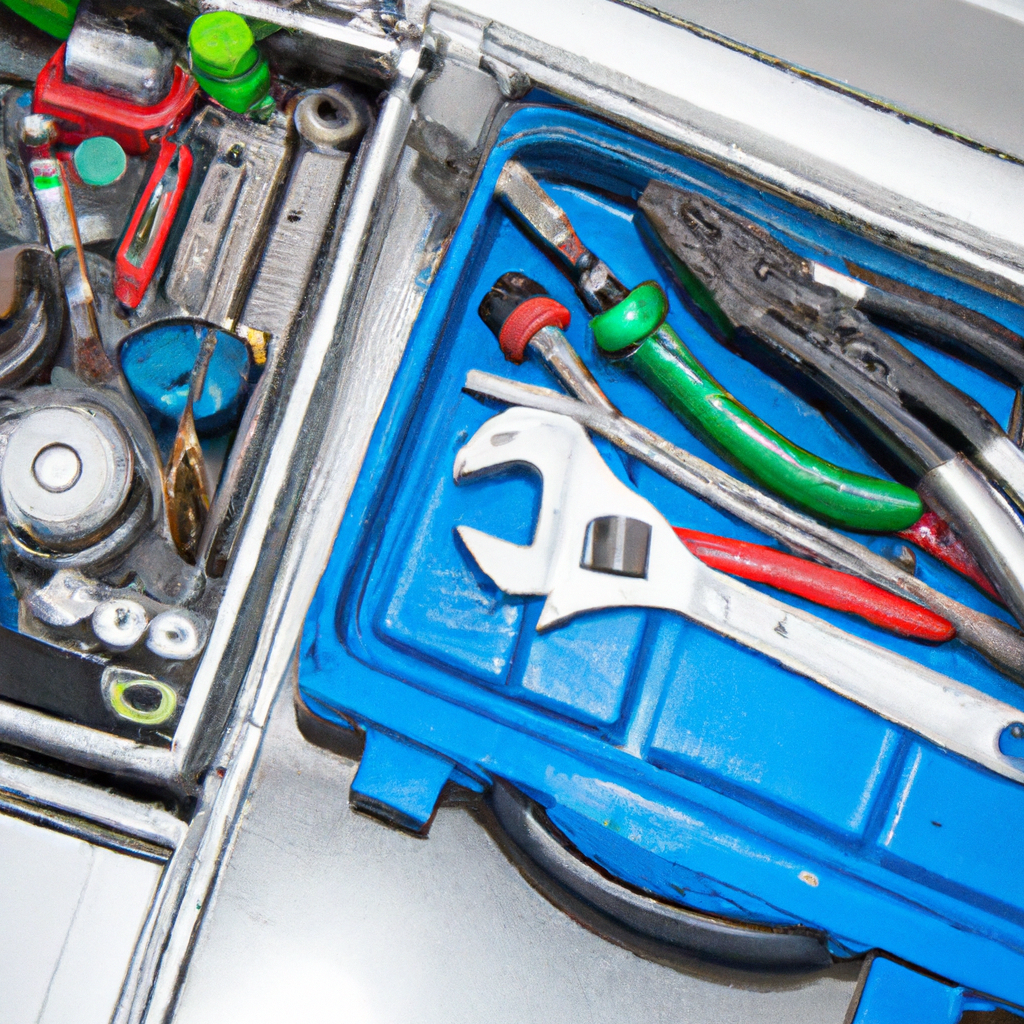
Gather the necessary tools and equipment for the replacement process. This may include screwdrivers, pliers, wrenches, and other specialized tools.
Step-by-step replacement process
Follow the manufacturer’s instructions or consult a repair guide specific to your refrigerator model for the step-by-step replacement process. Be sure to disconnect the power supply before starting any repairs.
Safety precautions
When replacing refrigerator parts, it’s important to prioritize safety. Always unplug the refrigerator or turn off the power supply before beginning any repairs. If you are unsure or uncomfortable with the process, it’s best to call a professional to ensure the repairs are done safely.
Frequently Asked Questions (FAQs)
Can I repair my refrigerator myself?
Some minor issues can be fixed with DIY troubleshooting and repairs. However, more complex electrical or mechanical problems are best left to the professionals. Attempting repairs without proper knowledge and expertise can be dangerous and may cause further damage to your refrigerator.
How long does a refrigerator repair usually take?
The duration of a refrigerator repair can vary depending on the complexity of the problem and the availability of replacement parts. Minor repairs can be completed within a few hours, while more extensive repairs may take a few days if parts need to be ordered.
What is the average lifespan of a refrigerator?
The average lifespan of a refrigerator is typically around 10-15 years. However, with proper maintenance and timely repairs, it’s possible to extend the lifespan even further.
Should I repair or replace my refrigerator?
The decision to repair or replace your refrigerator depends on several factors, including the age of the appliance, the cost of repairs, and the frequency of breakdowns. Consult with a professional technician to assess the condition of your refrigerator and determine the most cost-effective solution.
How often should I have my refrigerator serviced?
It’s recommended to schedule an annual professional servicing for your refrigerator. This allows for thorough inspections, cleaning, and preventative maintenance to keep your refrigerator in optimal condition.
Can a leaking refrigerator be fixed?
Yes, a leaking refrigerator can often be fixed. The cause of the leak, such as a clogged drain line or a faulty water supply line, can be identified and repaired by a professional technician.
Why is my refrigerator making strange noises?
Strange noises coming from your refrigerator can indicate various issues, including problems with the compressor, fans, or motor. A professional technician can diagnose and fix the underlying problem.
Why is my refrigerator not cooling?
There are several possible reasons why your refrigerator may not be cooling properly, such as a faulty thermostat, a malfunctioning compressor, or a problem with the cooling system. It’s best to consult a professional technician to determine the exact cause and perform the necessary repairs.
Is it normal for a refrigerator to run constantly?
Refrigerators typically run in cycles, with the compressor turning on and off to maintain the set temperature. However, if your refrigerator is running constantly without cycling off, it may indicate a cooling system issue that requires professional attention.
How can I prevent frost build-up in my freezer?
Regularly defrosting your freezer and keeping the door seals in good condition can help prevent excessive frost buildup. Additionally, avoid leaving the freezer door open for extended periods and ensure proper airflow inside the freezer compartment.
By following these troubleshooting tips, knowing when to call a professional, choosing the right repair service, understanding the cost of refrigerator repair, practicing preventive maintenance, knowing how to replace parts, and being aware of common FAQs, you can effectively address and resolve refrigerator problems. Remember, a well-maintained refrigerator can keep your food fresh and your family happy for years to come.